
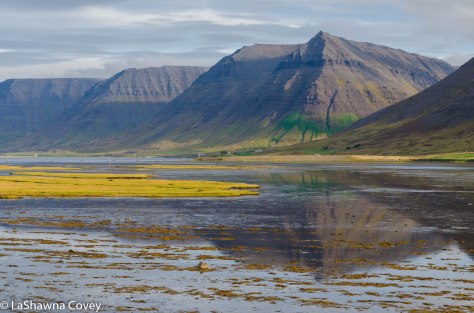
For our third and final day driving in the Westfjords, we had a relaxed start (for us anyway), because I knew that most of the driving would be on paved roads, and there weren’t many stops to make. So we were in no hurry to get going. It gave us the opportunity to enjoy a leisurely farm home breakfast and just take in our surroundings. Sure, we saw the beautiful fjords when we checked in, but there is always some hurrying around after you show up at your hostel after a long day of driving.

Our first stop was just down the road and unplanned. We had been hoping to pet some Icelandic horses, and we finally got a good opportunity. Driving in Iceland took us past many horse farms, and some of the horses were even close to the fences by the road, so we would sometimes see tourists pulled over and taking pictures. We always debated stopping, because we wanted to pet some horses and get our pictures, but we always figured that there would be more opportunities down the road.

When we saw this group of horses, we figured it was a great time, because we were on a gravel road, so we wouldn’t have to worry about traffic, and there was a nice, attractive group of horses with different colors. We didn’t know when we would get another opportunity. At first, the horses hung back, but were looking at us. It was almost like they were mocking us for our interest, and they were over it. But after a few minutes, a couple of them came to the fence, so we could get some closeup photos and pet them. I love Icelandic horses. They really are more like very large ponies, and are very fluffy in the winter. On our first trips to Iceland, we both went on horseback riding tours. I thought it was a lot of fun, but horses tend to make me nervous, because I never know what they will do. They can sense my nervousness, which makes them skittish, and that in turn makes me even more nervous. It really is a very negative feedback loop, so we decided not to go on any horseback riding tours for this vacation.

After we got our fix petting horses, we headed out for the rest of the driving tour. Our hostel was about a 20 minute drive from Isafjordur, and to reach the town, we had to drive through a tunnel. There are parts of Iceland, where instead of traversing the fjord, we got to drive through the fjord, which saves so much time. However, this tunnel is a bit different than the other tunnels, because it is a one way tunnel. Yeah, presumably to save money, because there isn’t enough traffic to justify a two tunnel all the way through the fjord, part of the tunnel is only one way. However, there are plenty of pullouts, to prevent car pileups, but it was still a weird experience.

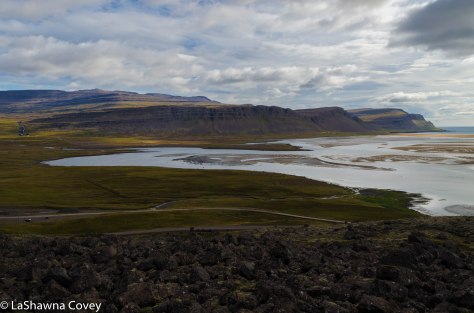
But after we got through the tunnel, it was just a matter of driving the next few hours through the northern parts of the Westfjords. The road traverses the fjord for the most part, so the view was very pleasant. Even in this part of the Westfjords, there wasn’t much traffic, so we had the road to ourselves for the most part.
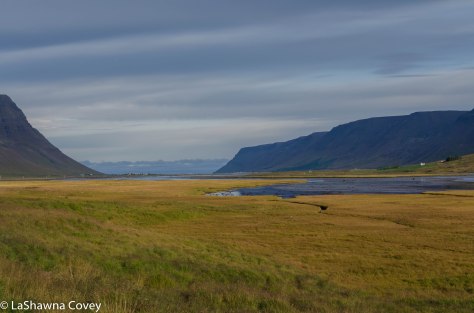
We hit our one major stop for the day by lunchtime, which was the Icelandic Museum of Sorcery and Witchcraft. This is probably the biggest, most famous, non-nature tourist attraction in the Westfjords, and is located in the small town of Holmavik. The museum is small, but it provides an interesting peek into the history of witchcraft in Iceland (all but one of the 21 persons burned for witchcraft in Iceland were men, for instance). The exhibits are a mixture of historical documents and presentations that show some of the weirder aspects of Icelandic witchcraft. Probably the most notorious exhibit is the “necro pants”. The exhibit isn’t ACTUAL necro pants, but you definitely have a solid impression of just how weird a concept it is.

After lunch, we were pretty much on our own, because there wasn’t that much to do. So we decided to just go relax at our hostel. Our hostel was located in the tiny, post stamp of a village called Broddanes. Like there are probably more sheep than persons. One of things we grew to appreciate was just how many sheep there are in this country. It was one of the many reasons I thought of Iceland as the “New Zealand of the north”. Both of our previous trips to Iceland were in the winter, so we didn’t see all the sheep. But sheep are everywhere. In the more populated areas, they were confined safely within fences and gates. But in the less populated areas, they were basically free range. I mean, they roamed all over the countryside, and sometimes wandered into the road (we were always on high alert when were passing sheep near the road, because more than once they darted out in front of my car). We took great delight in seeing the sheep in different locations. My personal favorite were the sights of sheep on a beach. There was something so weird about sheep just hanging out on a beach, that we were always hoping to capture them on photo in odd places. That and the black sheep. There were always a few black sheep in most groups of sheep we encountered, but they always seemed so much shyer, so we had a hard time capturing them on camera.


Since we were at the hostel at the end of the visiting season, we literally had the hostel to ourselves. It was a very nice, comfortable hostel, with large windows providing a nice view of the fjord. We were hoping for a clear night, because it would have been absolutely perfect to watch the Northern Lights in warm comfort. Alas, it was not to be, because the clouds were too thick to see anything.
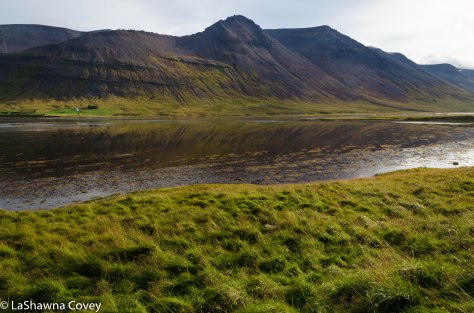
It was an easy and short day, but it was a very nice way to end our three day sojourn to the Westfjords. I am so glad we made the time to see them, because this is Iceland at its wildest, most isolated, and very beautiful. If you have the time, the relative patience and confidence needed to drive on the extensive gravel roads, I HIGHLY recommend a trip to the Westfjords. Again, it is not day trip material, but it certainly is worth a few days on any Icelandic vacation.


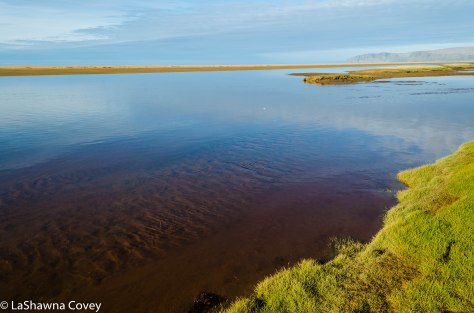
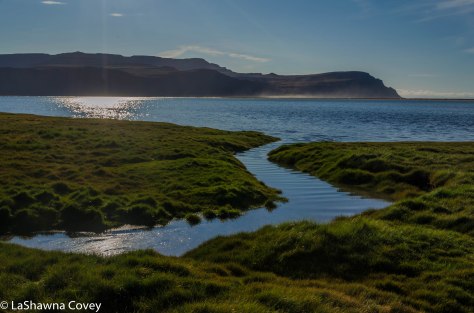

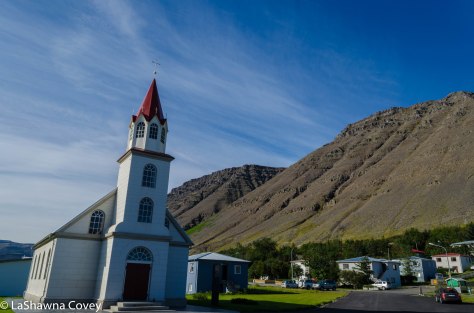
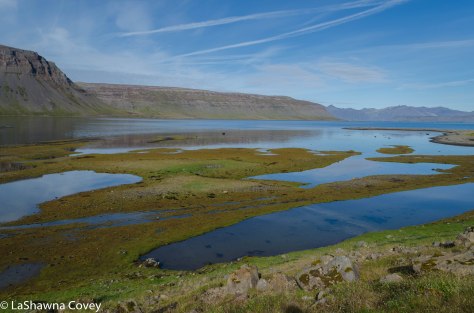

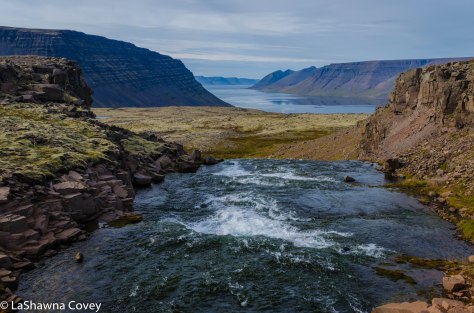
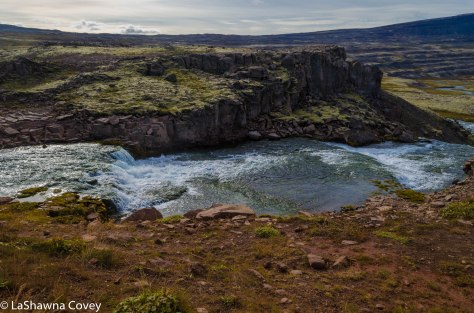
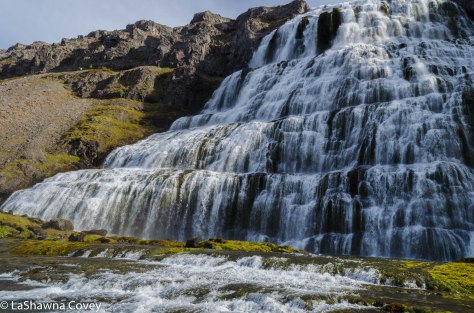
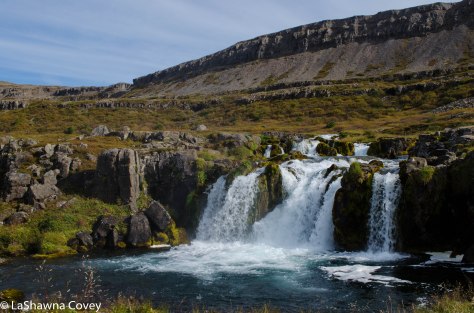

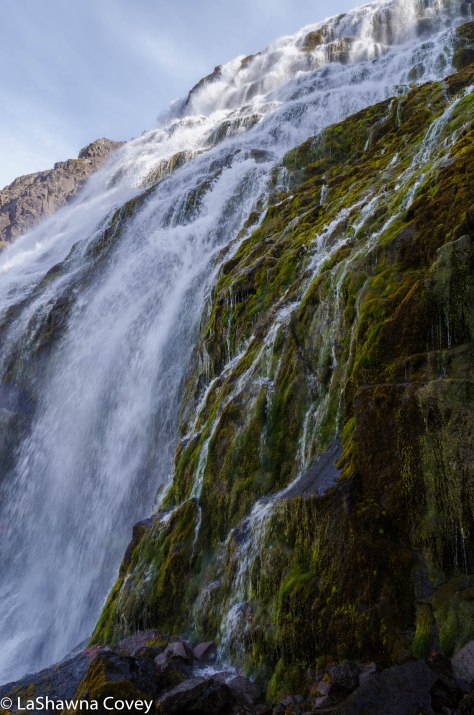


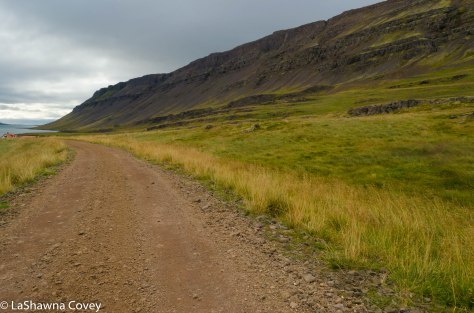

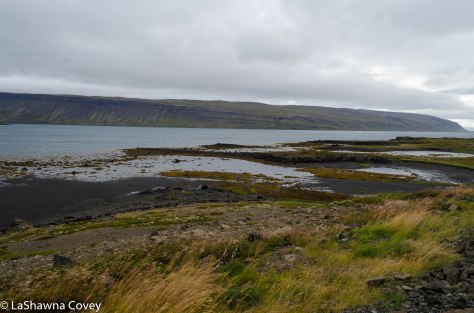
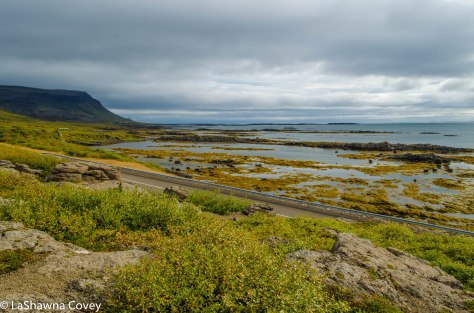 Since the Westfjords aren’t as developed as the rest of Iceland, it was a matter of deciding where to break up each day. That was driven in large part where we could find a nice place to stay, and how much driving I wanted to do each day. The first day, I figured we would drive all through the southern Westfjords and finish up at the small town of Patreksfjordur for the night. That would give us several hours to see everything, and we wouldn’t feel rushed.

























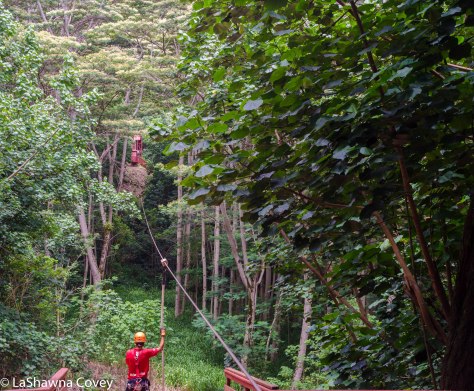


 We selected a tour with
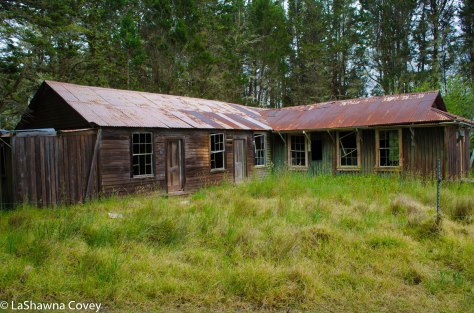
  The tour lasts several hours, because it first involves a stop at an abandoned sheep shearing station to eat a nice, picnic dinner. The sheep shearing station reminded me of one of those abandoned, haunted farms that come alive during the Halloween season. All the place needed was a corn maze and a psycho with chainsaw to complete the eerie, creepy atmosphere.
 After dinner, our van headed up the mountain road, with only a brief stop at the visitor center at 9,000 feet. The ride up is slow, but steady. The road is paved up to the visitor center, but the road from the center to the summit (about five miles) is not paved for the most part, (except for the final stretch just before you reach the summit).
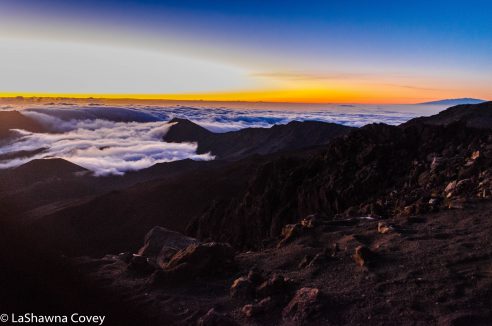
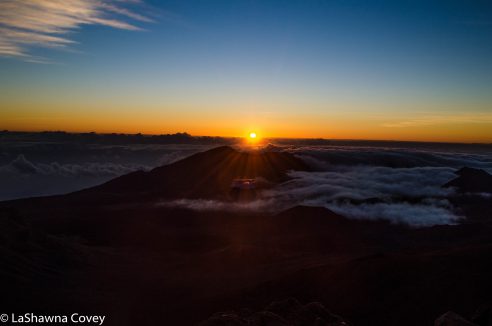
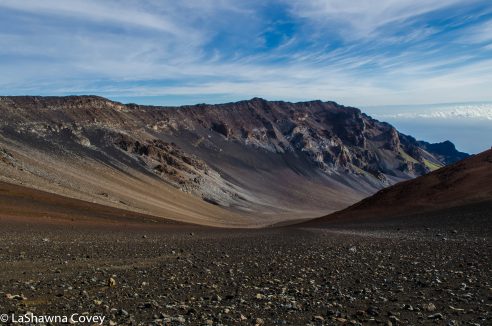
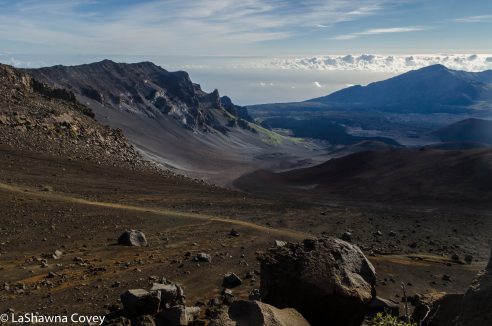
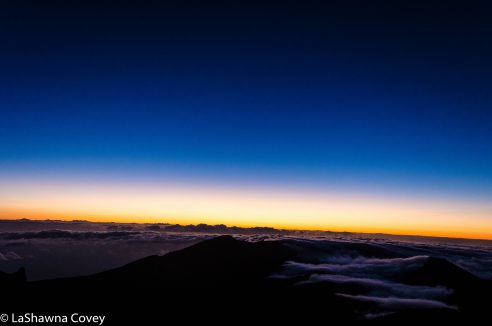
 We got up there about 30 minutes before sunset, so we had some time to walk around and look at the panoramic view. Of course, due to the fact that the summit is around 13,803 feet, you can’t really move too fast without feeling the effects of the altitude. The sun was still bright on the horizon, but the shadows were lengthening.
  Because of the high altitude, the clear air, and the lack of light pollution, Mauna Kea is home to many powerful telescopes to look at the sky. The summit is surrounded by them, and you can see them everywhere. It was also a remarkable change from being down at the beach. It was warm (somewhere in the 80s) at sea level, but it is very cold (near freezing) at the summit. Make sure you dress warmly, because you are going to need it (my tour offered up winter parkas and warm gloves for the duration of the tour).
 After the sun slipped below the horizon, darkness fell pretty quickly. We didn’t have too much time to stay after the sun set, because all visitors must descend from the summit no later than 30 minutes after sunset, so vehicle lights don’t interfere with the work of the telescopes.
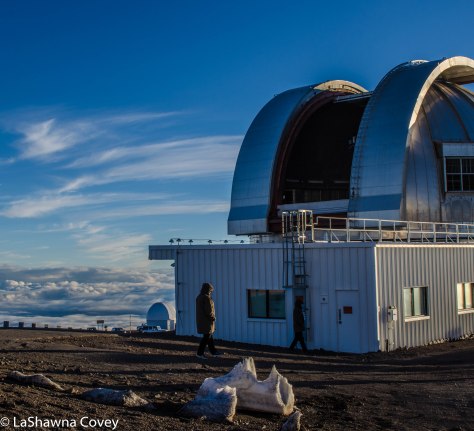 By the time we descended to the visitor center, it was completely dark. At first, we were a bit skeptical that we would be able to see any stars, because of the cloud cover. However, after a while, the clouds lifted enough for us to see the stars. Our guide set up his telescope, and we took turns looking at all the different heavenly bodies he pointed out to us.
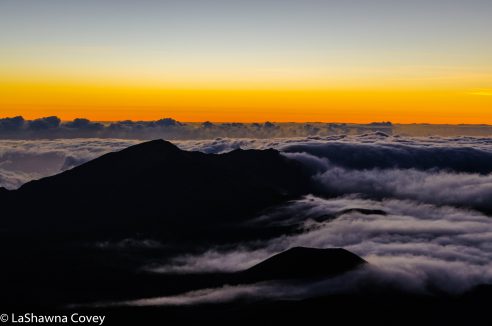
 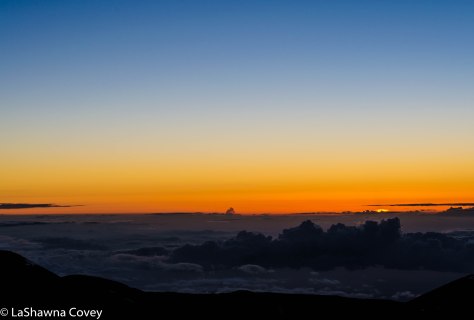 A tour will last around eight hours from afternoon pickup, to a dropoff late at night. However, we felt the cost (around $200 per person) and the time were worth it, since we were finally able to see the colorful majesty that is a Mauna Kea sunset.
 Several years ago, my mother and I were able to visit the Big Island of Hawaii and while we loved it, we didn’t get to see everything we wanted to see on my Big Island bucket list. One of those was lava viewing at Volcanoes National Park. The time we visited just didn’t have much in the way of flowing lava, so while the park was amazing to see, we missed out on some critical things we really wanted to see.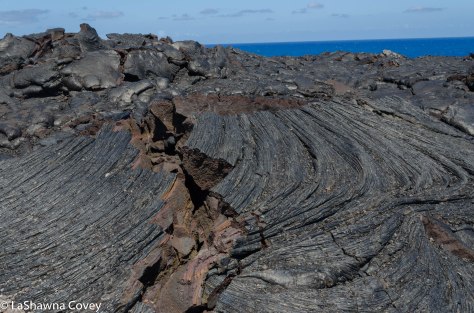
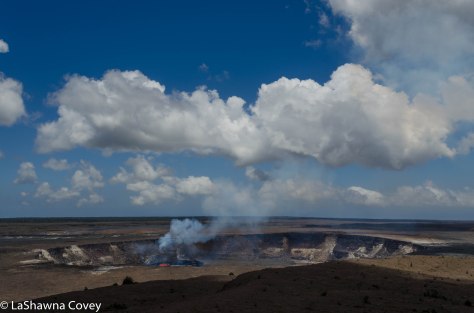
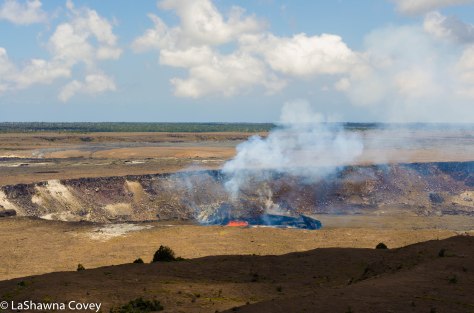 The lava view from Halema’uma’u crater was much better this time around, since the lava flow was much more active. It was even possible to see some lava during the day. The viewpoint at Jagger Museum is about a mile from the crater itself, and is positioned well to see inside the crater.
 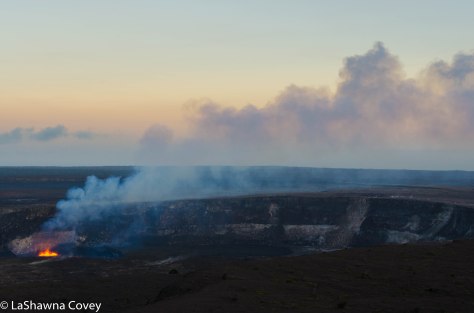 At night, the lava glow was even brighter than during the day. We got to the museum well enough before sunset, so we would have a good viewing spot before the hordes of crowds arrived. As the sun was setting, the moon was rising over the crater, with the cool white glow of the moon contrasting well with the warm red-orange glow of the lava.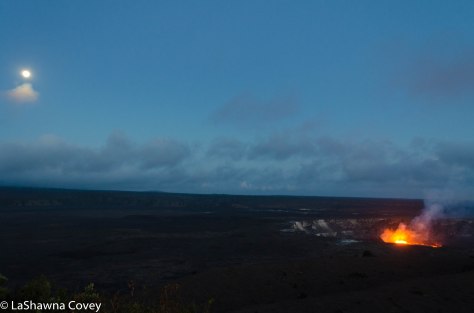

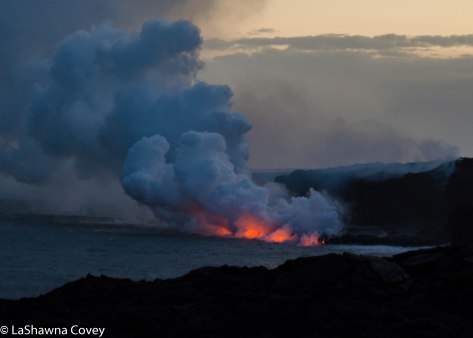
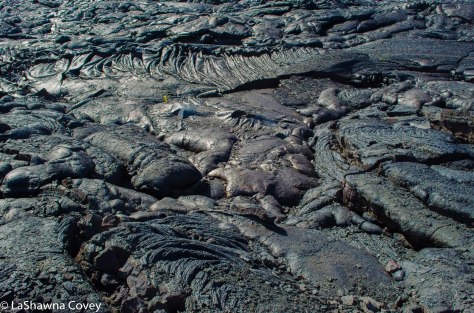
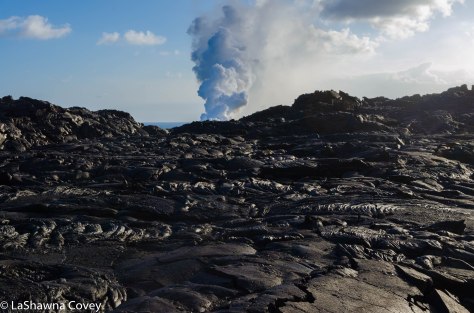
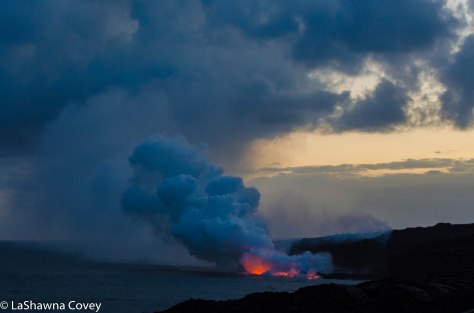
 Either way is going to involve a multi mile trek to the lava viewing areas. When we visited Volcanoes National Park, we started walking from the visitor center at Chain of Craters Road (the farthest you can take your car before the road is blocked off to normal vehicular traffic). This stopping point is a great point to get a view of the steam rising off the lava flow as it meets the ocean way off in the distance, and get a good look at the effect of the multiple lava flows over the years on the surrounding area.












 My So Called Creative Life