

For several years now, I have wanted to experience Polar Night, the winter counterpart to summer’s Midnight Sun. I had a chance to experience Midnight Sun back in 2009, when I took a cruise up the Norwegian coastline in mid June, and once we hit the Arctic Circle, we spent a few days up where the sun doesn’t set. I enjoyed it, though it does a number on your circadian rhythm for obvious reasons. I mean, when your body doesn’t have any external clues about the time of day, it’s easy for it to go a little haywire. Now granted, I am a natural night owl, but even still, it surprised me a bit to look at my watch and realize it was 0200 or 0300 in the morning, and the sun was still shining like it was mid day, and I wasn’t tired. I had to force myself to go to bed, just so I wouldn’t eventually pass out from tiredness, and I was awake to see all the sights I wanted to see.
 So of course I wanted to experience its opposite in Polar Night. I personally love darkness, and embrace the cold and long, dark nights of winter. I honestly can’t get enough of it, and it disappoints me greatly being in a place where there are mild winters. Of course even if the temperature was warmer than I liked, I still had hours and hours of darkness to cuddle in and enjoy. But it wasn’t enough for me. I wanted to know what it was really like to visit a place where the sun never rose.

I got a tiny taste of what it might be like (though not exactly Polar Night) when we visited Fairbanks, Alaska a few years ago around New Years. Sure it wasn’t exactly Polar Night, because the sun did rise above the horizon for four hours a day, but I also saw that just because the sun isn’t above the horizon, it doesn’t mean that it is pitch dark out. In Fairbanks, the sun might have been only up for four hours, but there were at least two hours of beautiful blue light on either side of sunrise and sunset. Meaning, that even during Polar Night, it’s not like it is interminable darkness; it’s just that the sun doesn’t rise above the horizon. But as many of us have experienced long dawns and twilights, we know that there can still be light outside, even if the sun is below the horizon.
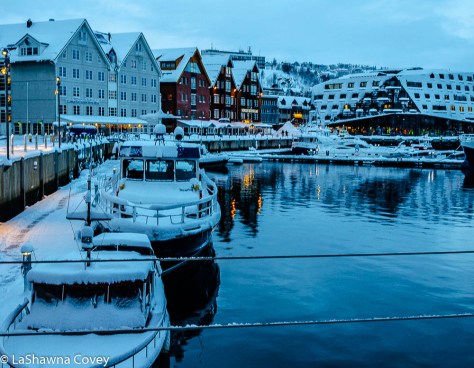
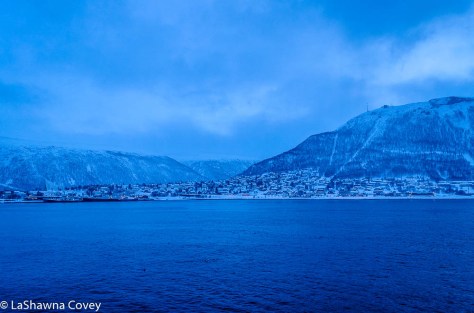
So I knew Polar Night wasn’t going to be some 24 hours of pure black darkness, but the light you do experience in Polar Night is a bit different. It is obviously softer, because the sunlight is indirect, and it takes on more of a blue tinge, which is really magical when it is against the backdrop of pure white snow (which has the effect of making it seem even brighter than it really is). Having seen pictures of places where Polar Night exists made me want to experience it even more.
Now it was just a matter of choosing a place to visit, and honestly, there aren’t THAT many places where the sun doesn’t rise at all during the winter, AND has a reasonable tourist infrastructure to visit. Sure, there are multitudes of tiny villages and a couple larger cities above the Arctic Circle, but they are often hard and expensive to visit. So choosing Tromso, Norway as my place to experience Polar Night was an easy one. I had visited Tromso in the past as a cruise stop on my Norwegian cruise and I enjoyed the few hours I spent there. It’s the world’s third largest city above the Arctic Circle, with a population of around 75,000. Considering it sits at around 69 degrees north latitude, the weather is surprisingly “mild.” And I grade mild on a curve, because it does get very cold and snowy up there. It’s not like it has anything close to a mild winter. However, considering it is at the same latitude of Point Barrow Alaska (the northernmost point of Alaska), it is not nearly as cold and frigid as it could be, thanks to the Atlantic Gulf Stream that ends around the Tromso area.
This trip to Tromso kicked off my second long visit to Norway, and the itinerary was similar to the one I did in the summer. Only now I was going to get a chance to experience Norway in the winter, something I had always wanted to do. Since it was my mom’s first trip to Norway, it was an opportunity to see similar places, only now under the beautiful cover of snow and ice. We decided to start up in Tromso and work our way south, since the farther south we went, the more daylight we would experience (and the temperatures would warm up a bit). So of course I had to pick a starting day when it was still Polar Night in Tromso, since that and the opportunity to see auroras were two of the driving factors for my winter visit. Polar Night lasts around six weeks in Tromso. I had toyed with the idea of visiting around Christmas, just because it would have saved me some work vacation days, but once I say that prices were literally double (at least airplane fares), I figured we could start a couple weeks into January. Polar Night officially ended 15 January in 2019, though people in the city really didn’t consider it ending until 20 January. Sure the sun does rise above the horizon for 30 minutes on 15 January, but it won’t become obvious until around 20 January. So based on our trip calculations, we would have three full days of Polar Night in Tromso, with our final day technically having 30 minutes of sunlight (though we didn’t notice a real difference).
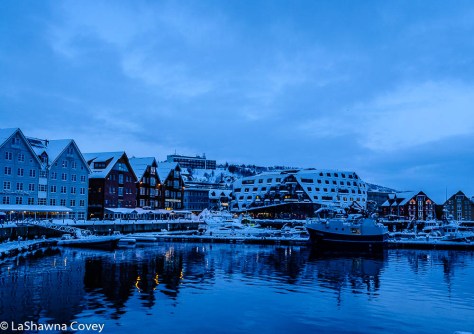
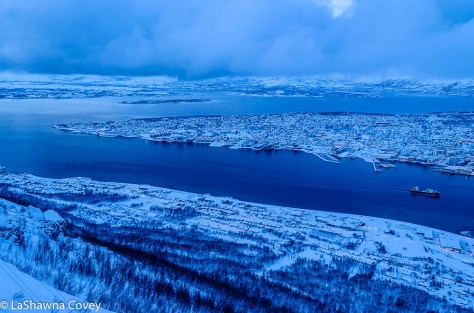
Since we were coming in at the tail end of Polar Night, I knew it wasn’t going to be as dark as it was during the height of Polar Night, but we would still get a chance to experience it and the beautiful blue light it produces. Our first full day in Tromso, we didn’t get up until 1000 (thanks to a very long plane trip consisting of three flights to get up to Tromso), and even at that hour, it was only a bit light out. More like a long dawn. Considering that I knew that we didn’t have that many hours of daylight, we decided our first stop on the first day would be Fjellheisen, which is the cable car up to the top of Mt. Storsteinen and provides a beautiful, panoramic view of Tromso and the surrounding area. Of course we weren’t the only ones with that idea, and the bus to the cable car was packed. But the line moved surprisingly quickly, and soon we found ourselves at the top of the mountain.


At that point it was trying to maximize our viewing experience AND eating lunch, since we hadn’t eaten breakfast. Thankfully the cafe and the viewing ledges are next to each other, so mom and I took turns eating and going outside into the frigid temperatures to take pictures. At its zenith, the daylight was a soft gray, but that really only lasted a little over an hour. Soon enough, it started getting darker and that blue light became more prominent. By the time it was 1500 in the afternoon, it was completely dark.
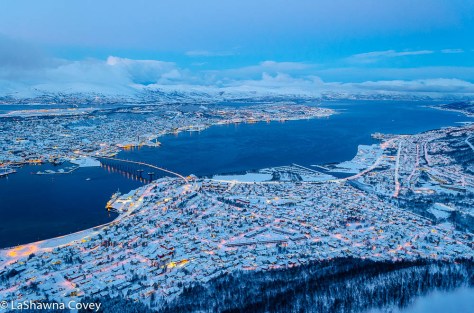
We decided to walk from the bus stop to the Arctic Cathedral, just to get a chance to get some exercise in and enjoy the darkness and cold weather. I found the bracing cold to be refreshing, and loved walking in the snow. While they plow the roads in Tromso, they don’t clear the roads, so most of the roads (even some of the more well traveled roads) had snow on them, just packed down so you can easily drive on it. And since snow in the winter is a permanent feature in Tromso, and considering how active Norwegians are (we saw more than one runner in the snow while we were there), it was nice that the sidewalks are plowed as well. It’s not like parts of the US where the snow is just plowed into piles and it is impossible to walk outside. Plus, the drivers are more respectful of pedestrians in Tromso (at least the ones we encountered), so even if we had to walk a bit in the road, it’s not like we had to worry about getting run over.
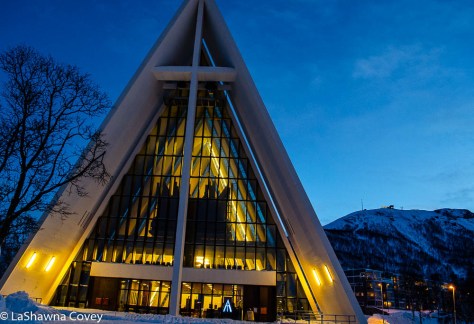
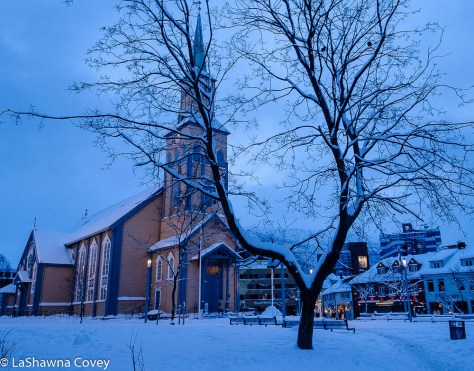
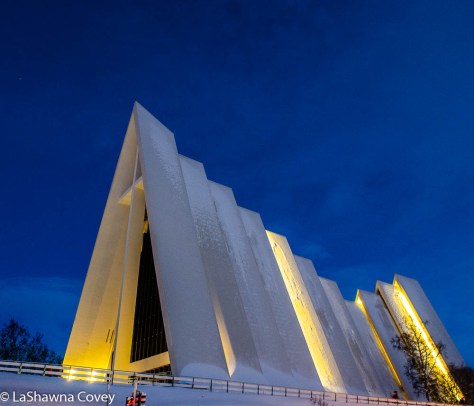
The Arctic Cathedral is one of the more recognizable landmarks in Tromso, and the structure looks beautiful all lit up at night. The inside is not that much to look at, at least during the night, because the stained glass is probably pretty when the sun shines on it. We decided to walk back to town, which was really only a walk over the bridge (Mom is a pretty good sport about some of the things I ask her to do on vacation), so we had some nice views of Tromso city on our way back.
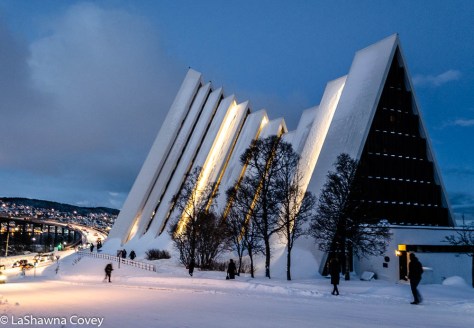
Just like Midnight Sun does a number on your circadian rhythm, so does Polar Night, but in the opposite direction. In the summer, I was staying up hours and hours in the summer and not feeling it, but during Polar Night, I started getting sleepy by late afternoon, and it was more of a challenge to stay up to a reasonable hour, so I didn’t go to sleep early and then wake up around 0400 or something. But I LOVED Polar Night, with all its attendant darkness and beautiful light, and would love to experience it again sometime in the future. This day was just the first day in what proved to be a very beautiful and enjoyable Norwegian winter vacation.

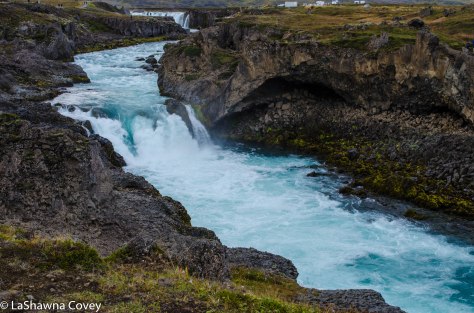
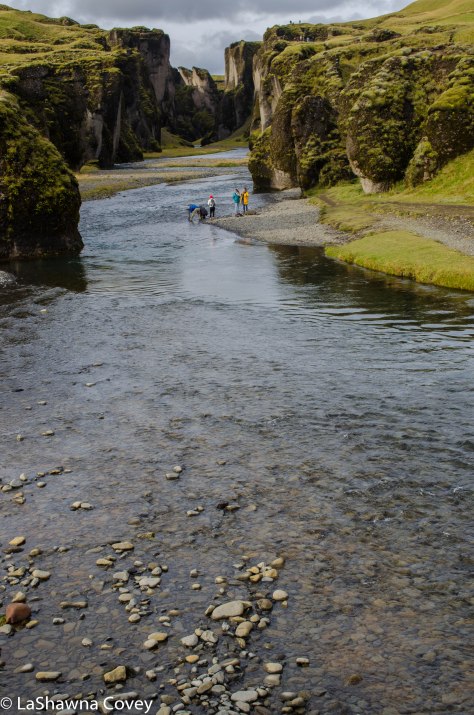
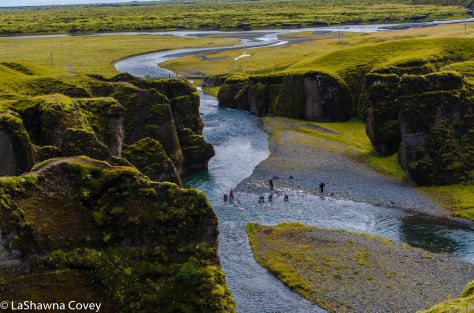
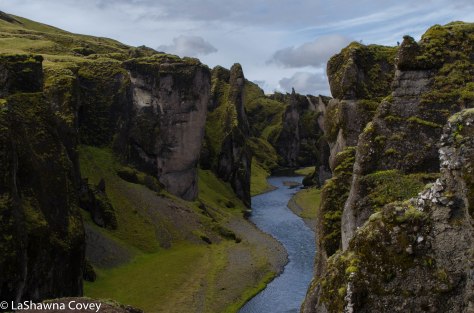
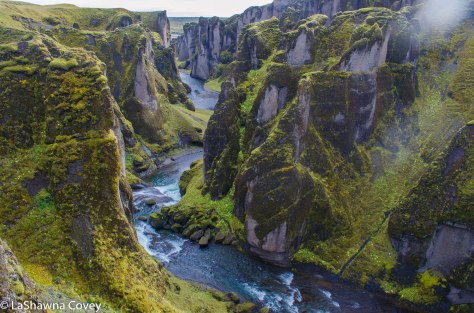

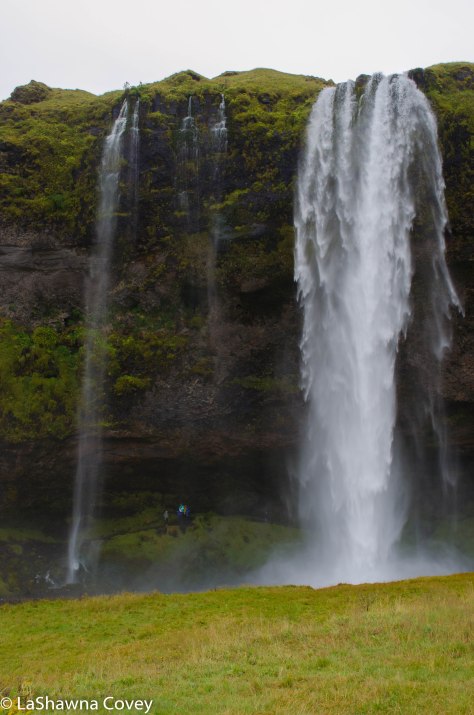
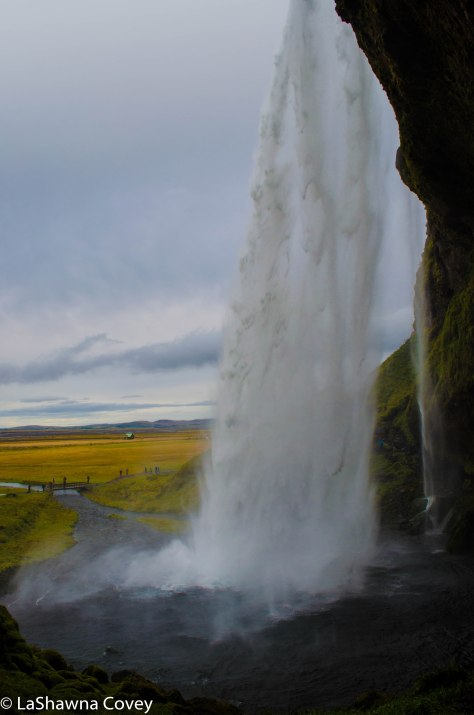
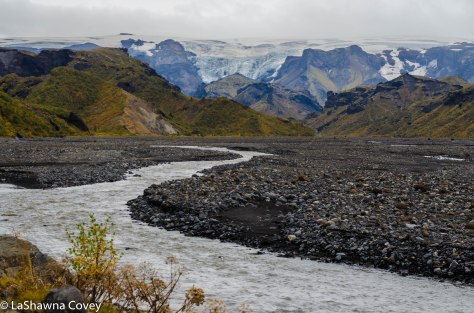
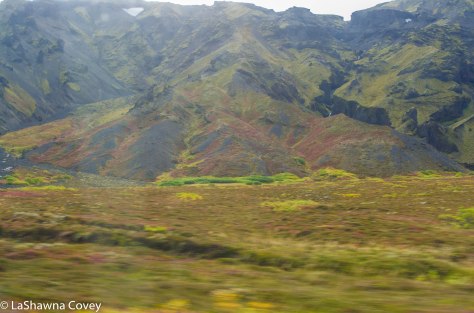


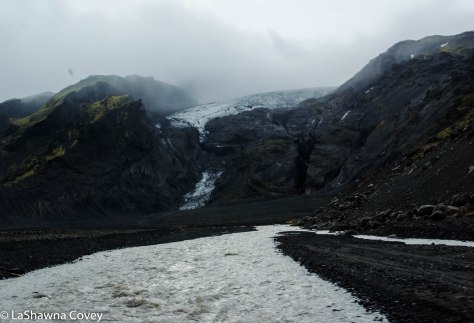
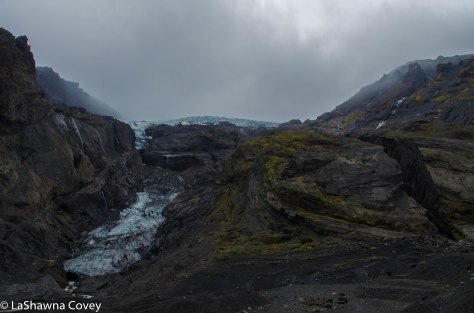

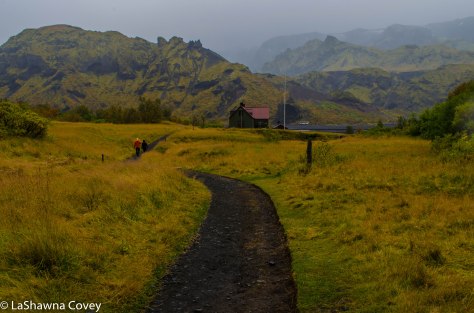
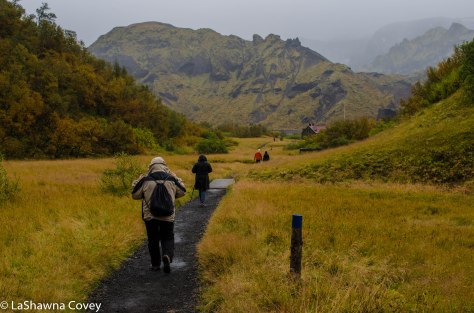
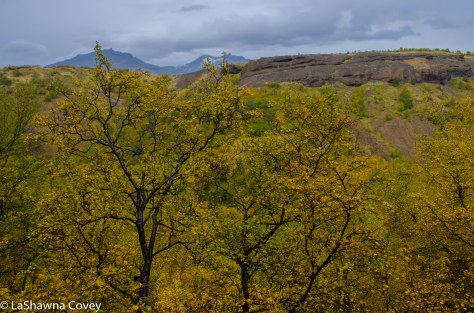 So instead, we drove out to Husadalur (Volcano Huts Porsmork), which is a terminus to the multi-day Laugavegurinn hike. It has a nice hut tucked into the forest, but is also near one of the many rivers in Porsmork and affords a beautiful view of the surrounding mountains.





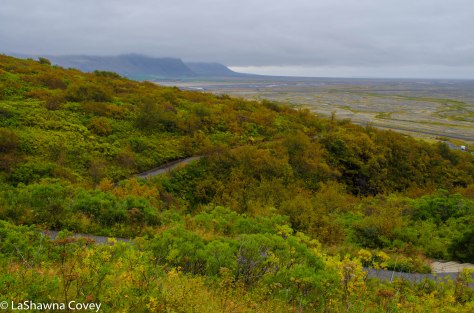


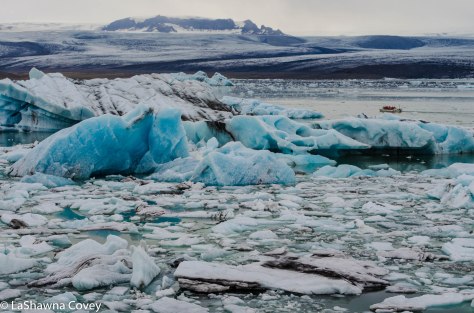
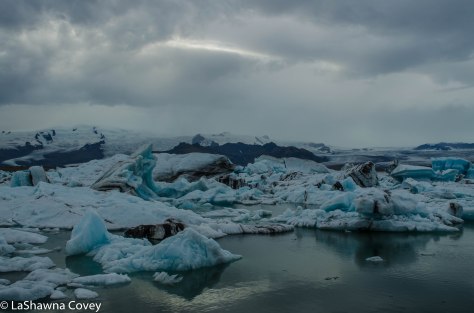

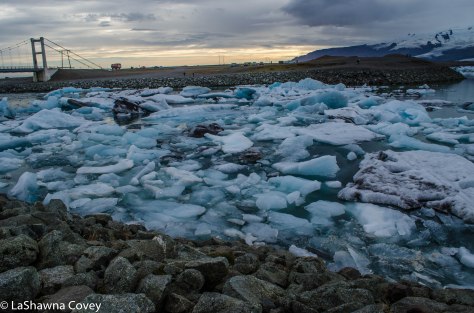
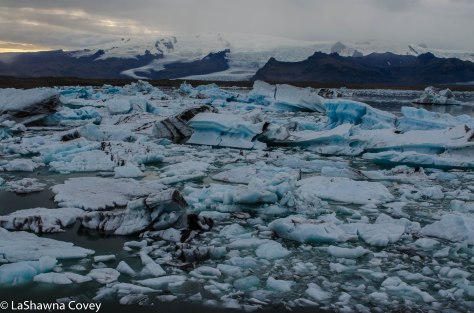

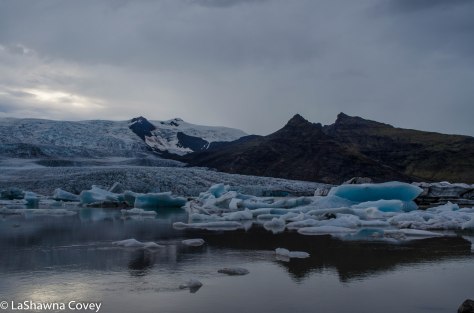
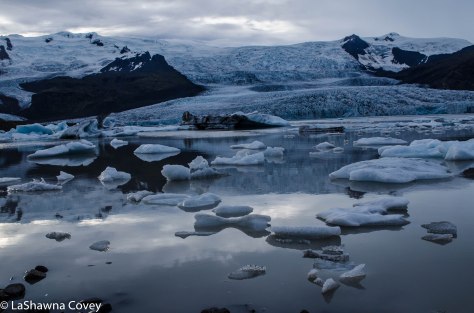
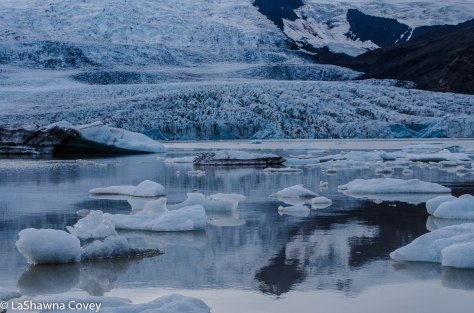
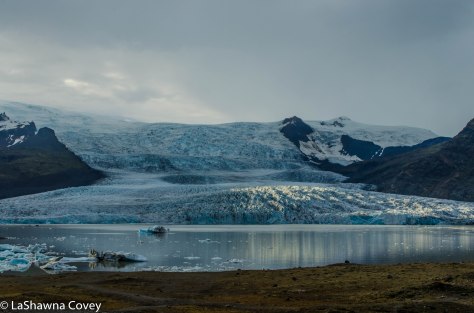
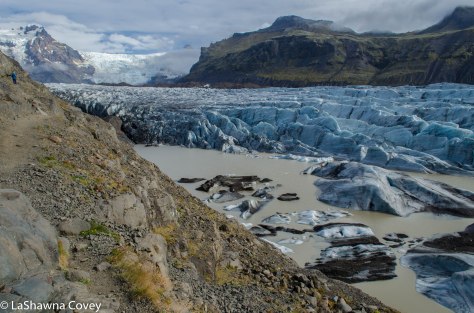
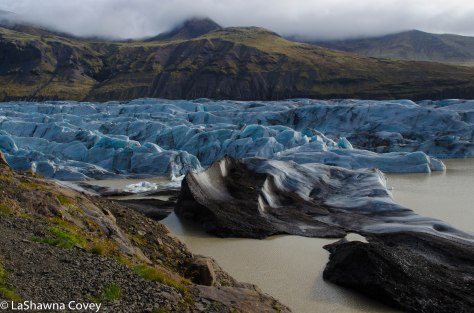
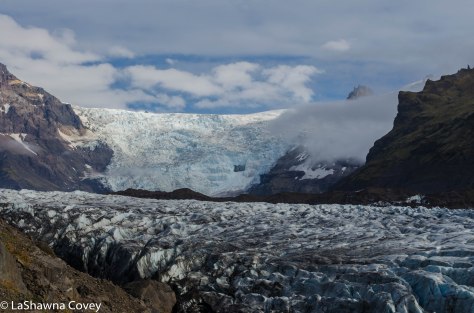 It is remarkable that in so many other parts of the world, glaciers are considered these exotic things, farflung from civilizations and hard to access, but in Iceland, they are literally just down the road and easily accessible for all to see.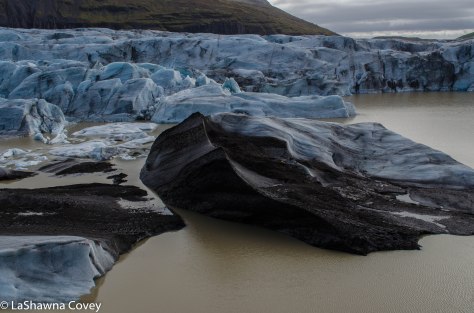
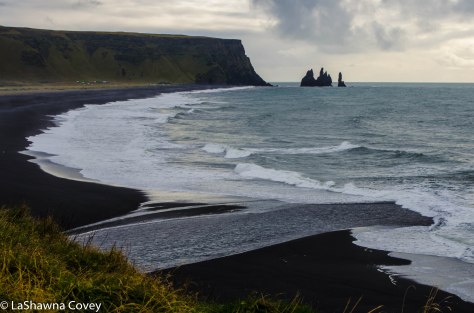




 The farthest south you will see most daytrippers from Reykjavik is the town of Vik, which is on the western side of south Iceland. Among the numerous natural pleasures in the area or within short driving distance (which I will cover in future blog posts), one of the nicest (and therefore most popular) are the sites of Dyrholaey and Reynisfjara. They are two distinct areas, but you can see one from the other.
 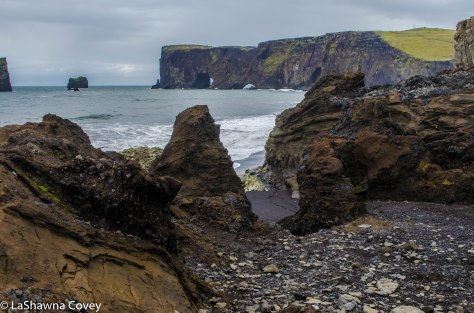 The first place we stopped was Dyrholaey, which is a beautiful rock formation, sea arch, and black sand beach. During nesting season, it is also home to a variety of birds (we visited out of bird nesting season). One of the viewpoints at Dyrholaey overlooks the western side of Reynisfjara black sand beach. From this viewpoint, you can see the sea stacks of Reynisdrangur. However, what captured my eye was the freshwater river that originated somewhere farther inland, most likely from one of the many, many glaciers in the area that flowed into the sea. I wanted to get close to it and see it for myself, but there is no easy way to walk down to the beach from the viewpoint.
  At another vantage point, you can also see the sea arch off in the distance and a beautiful black sand beach down below. I remember this beach from my winter trip, because at the time I visited, it was covered in pure, virgin snow (except for a step of footprints), and I was entranced with the contrast between the pure white of the snow and the pure black of the sand. This time however, we weren’t supposed to go down to the beach, because it was closed.
 After that, we drove a short ways down the road to Reynisfjara. While Dyrholaey is popular with tourists, Reynisfjara is another thing altogether. Hordes of tourist buses regularly show up and discharge their passengers for a short walk around the beach with a chance to look at a basalt sea cave, and a closer look at the sea stacks.
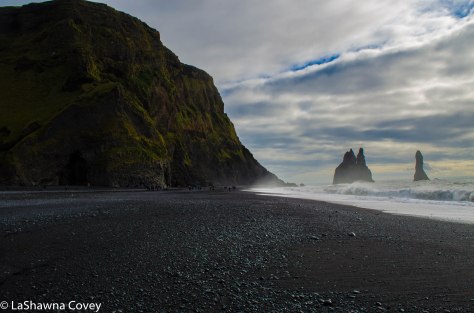 It is a very beautiful site, but as you see from the warning signs before you walk onto the beach, and what is apparent from just observing the beach for a few minutes, it can also be a very dangerous beach. This beach is notorious for sneaker waves, which are very powerful waves that can easily knock someone down or pull them out to sea. The occasional tourist death happens at this beach when people don’t respect the power of the ocean. The ocean is not placid at this beach, but rather filled with reasonably large, powerful swells, along with some powerful ocean currents.
  This beach is also a good reminder that while Iceland has many, many beautiful beaches, this country is not what you would consider a “beach destination.” I mean beach destination in the sense that you would want to hang out on the beach all day and frolic in the water, even on beaches where the sea doesn’t rage as much. The ocean is simply too cold to swim or play in at all, even in the summertime (it doesn’t get that hot in Iceland in the summer). So beaches here are great to visit and enjoy the seascapes and beautiful nature, but not to play in the water.
 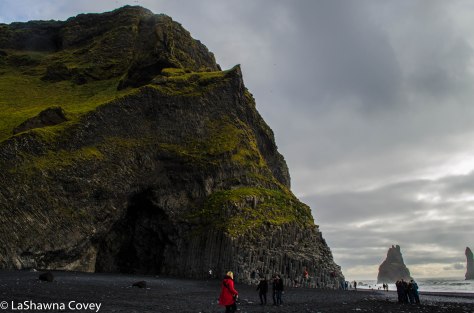 From the entrance point to Reynisfjara from the parking lot, we could see the cliffs of Dyrholaey off in the distance, and it didn’t look TOO far away (though it proved to be around a couple miles). So we just started ambling down the beach, first to get away from the hordes of tourists mucking up the background of our photos, and then later just to see how far we could get. I was hoping to get close to the glacier river I saw at the Dyrholaey viewpoint, and eventually we found ourselves at the banks of that river. After taking in the view, we turned around and made our long way back to the parking lot.
 There are so many beautiful things to see and do in South Iceland, that I can’t do it proper justice in one blog post, but I have a few others coming up that highlight all there is to see and do in the area. Even though you do see daytrippers coming down on a tourist bus, that way is simply too superficial to really see everything. I would highly recommend you rent a car and see this area at your own pace. Just know that you will be one of many, many tourists taking it all in.
































 My So Called Creative Life